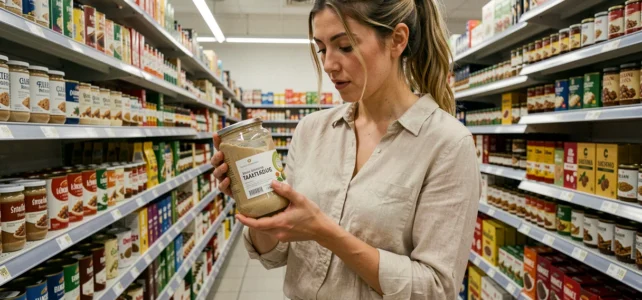
Tahini, sometimes spelled tahin, is a smooth paste made from ground sesame seeds. A staple of Levantine cuisine, it is used to prepare hummus, moutabal, or creamy dressings. In French supermarkets, its location varies depending on the store and its size, which complicates the task when one does not know which aisle to search in.
Tahini and sesame paste: two names, one organic aisle
On the labels, the term “tahini” often appears alongside “sesame paste” or “sesame cream.” These terms refer to the same product, provided that the ingredient list is limited to sesame seeds (and possibly a pinch of salt). The distinction matters when spotting the jar on the shelf: some organic brands like Terrasana or Rapunzel use the term “tahin,” while Eastern brands like Al’Fez or Durra display “tahini.”
In recent years, tahini has migrated to the organic and dietary aisle in most stores. It is then found alongside almond, hazelnut, and peanut butters, in the nut butter section. This trend explains why regulars in the “world products” aisle sometimes return empty-handed: the jar has simply changed aisles.
A detailed guide on tahini in stores like Leclerc, Intermarché, Auchan, and Super U allows you to check the locations store by store before heading out.
World products aisle or organic aisle: placement by store
The organization logic varies from one store to another, and sometimes from one shop to another within the same chain. Two areas are consistently found.
Leclerc and Intermarché: priority to the organic aisle
At Leclerc, tahini is most often located in the organic aisle, among nut butters. Leclerc drive-thrus also classify the product under “organic/dietary,” reflecting its physical placement in-store. At Intermarché, the Jardin Bio étic brand offers tahini in a jar, placed in the same section.
In both cases, the reflex to adopt is to first look for almond or hazelnut butters: tahini is found on the same shelf or right next to them.
Auchan: world products aisle first
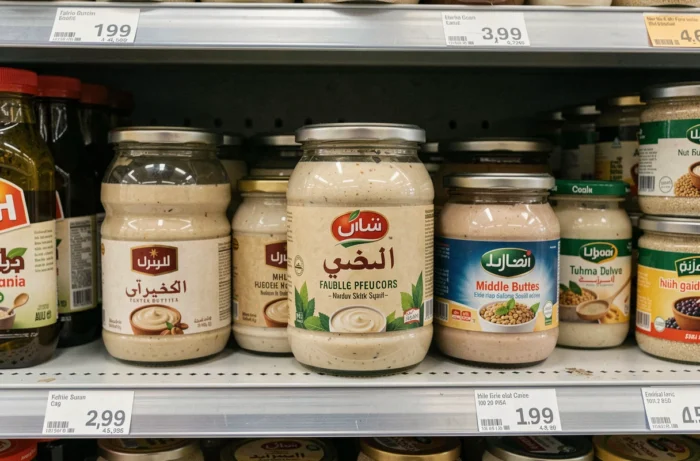
At Auchan, the logic differs. Tahini is often placed in the world products aisle, near Eastern specialties and sometimes halal products. The Al’Fez brand, packaged in a jar, is frequently referenced there. Some Auchan stores also offer an organic reference in another aisle, which requires checking both areas.
Super U: the U Bio range as a reference
At Super U and Hyper U, sesame tahini is sold under the U Bio brand. The jar is found in the organic aisle, often on the same shelf as other nut butters from the range. The site coursesu.com allows you to check the product’s availability before going to the store.
Recognizing tahini on the shelf and avoiding confusion
Tahini generally comes in a transparent glass jar that reveals a light beige paste. Upon opening, a layer of sesame oil may float on the surface: this is normal and does not mean the product is expired. Just mix before use.
Here are a few traps to avoid when choosing:
- “Sesame creams” that contain added sugar, palm oil, or thickeners are not tahini in the strict sense. Check that the ingredient list mentions only sesame seeds.
- Black sesame pastes (made from unhulled seeds) have a more bitter taste and a darker color. They are suitable for certain Asian recipes but do not replace classic tahini in hummus.
- Halva, sometimes placed right next to tahini, is a confection made from sesame paste and sugar. Its sweet taste immediately distinguishes it from tahini.
The so-called “complete” version (made from unhulled seeds) is darker and more bitter than the white version (made from hulled seeds). For a creamy hummus, white tahini remains the most common choice.
Alternatives when tahini is absent from the shelf
Even in well-stocked supermarkets, tahini may be out of stock. Here are a few fallback options:
- Specialized organic stores (Biocoop, Naturalia) generally offer several brands of tahini, often in a dedicated nut butter section.
- Eastern grocery stores sell tahini in larger formats, sometimes cheaper per kilo than supermarket versions.
- Making homemade tahini requires only sesame seeds and a powerful blender: lightly roast the seeds dry, then blend until a smooth paste is achieved. The result can be stored for several weeks in the refrigerator.
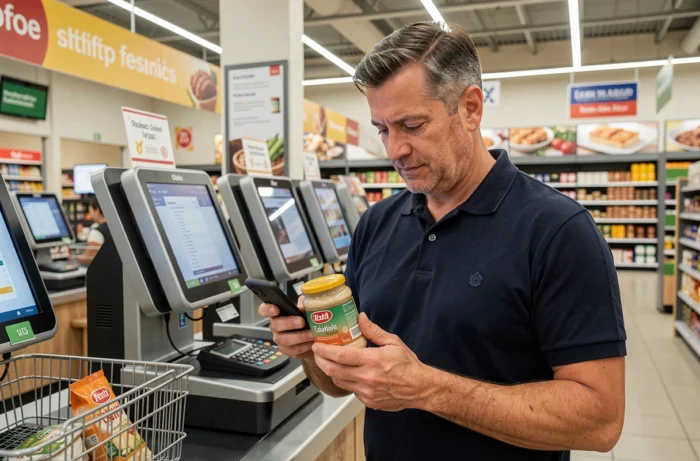
The placement of tahini in supermarkets continues to evolve as demand grows. Stores that previously listed the product only in the “world grocery” aisle are now making room for it in the organic section. The next time the jar is hard to find, starting in the organic nut butter aisle before checking the world products aisle remains the most reliable method, regardless of the store.